Streamlining Enterprise Operations with Predictive AI Integration
Unlocking Efficiency: Leveraging AI Solutions for Business Automation in the Interior & Tiles Industry
Introduction
The interior & tiles industry is constantly evolving, driven by advances in technology and shifting consumer preferences. As businesses strive to remain competitive, they must adapt and innovate to meet growing demands for efficiency, sustainability, and customization. Artificial intelligence (AI) solutions offer a transformative opportunity for automation, streamlining processes, and unlocking new revenue streams. In this comprehensive guide, we will explore the benefits and applications of AI in the interior & tiles industry, highlighting real-world examples and best practices for successful implementation.
The Benefits of AI in Business Automation
- Improved Efficiency:** AI-powered automation enables businesses to reduce manual labor, minimize errors, and optimize workflows, resulting in increased productivity and reduced costs.
- Enhanced Customer Experience:** AI-driven tools help businesses personalize customer interactions, anticipate needs, and provide tailored solutions, leading to increased customer satisfaction and loyalty.
- Increased Accuracy:** AI solutions minimize human error, ensuring precise measurement, cutting, and finishing of materials, resulting in higher-quality products and reduced waste.
- Competitive Advantage:** Businesses that adopt AI-powered automation solutions gain a significant edge over competitors, enabling them to respond quickly to changing market conditions and capitalize on new opportunities.
AI Applications in the Interior & Tiles Industry
The interior & tiles industry offers numerous opportunities for AI-powered automation, including:
- Design and Visualization:** AI-driven tools enable businesses to create accurate, 3D models and visualizations of designs, allowing customers to explore and interact with their space virtually.
- Material Sourcing and Procurement:** AI-powered platforms optimize material sourcing, ensuring timely delivery, reduced costs, and minimized waste.
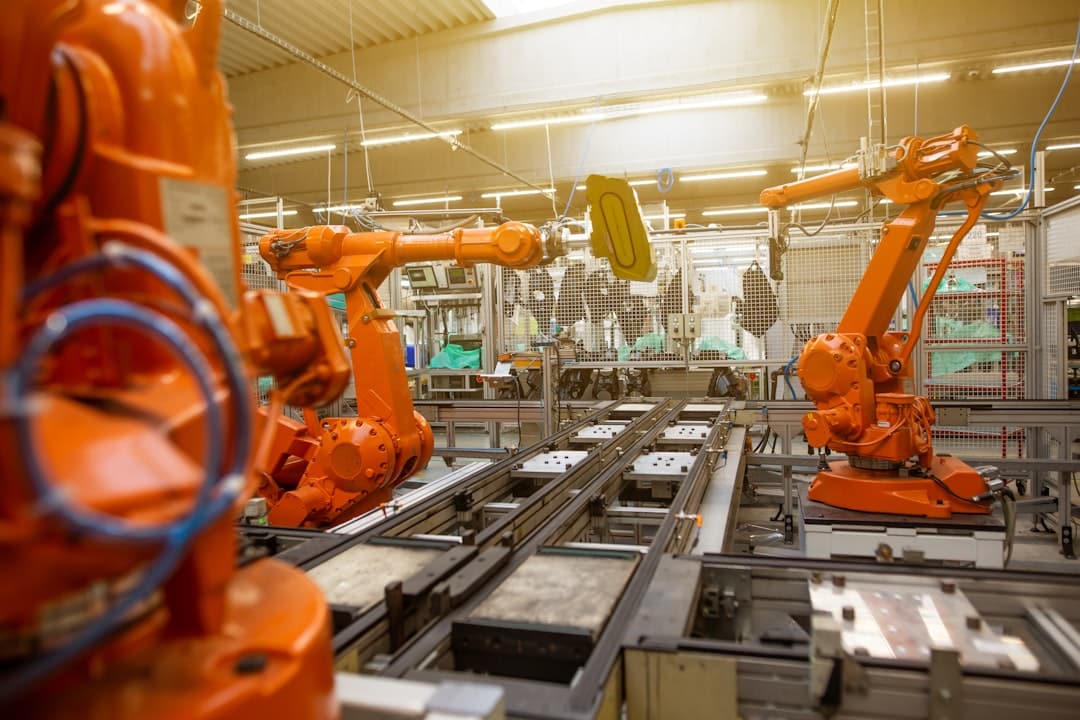
- Production and Manufacturing:** AI-driven automation streamlines production processes, improving accuracy, efficiency, and quality control.
- Inventory Management and Logistics:** AI-powered solutions optimize inventory levels, predict demand, and streamline logistics, reducing stockouts and overstocking.
Real-World Examples of AI in Business Automation
Several companies are already leveraging AI solutions to drive innovation and efficiency in the interior & tiles industry:
- Smart Home Automation:** Companies like IKEA and Samsung are integrating AI-powered smart home solutions, enabling customers to control lighting, temperature, and security systems with ease.
- Customization and Personalization:** Businesses like Benjamin Moore and Sherwin-Williams are using AI-driven color matching and recommendation tools to help customers find the perfect shade for their space.
- Supply Chain Optimization:** Companies like Procter & Gamble and Unilever are leveraging AI-powered platforms to optimize their supply chains, reducing costs and improving delivery times.
Implementing AI Solutions: Best Practices and Considerations
As businesses consider implementing AI-powered automation solutions, it is essential to keep the following best practices and considerations in mind:
- Data Quality and Availability:** Ensure that high-quality data is available to train and validate AI models, and that data is regularly updated and refreshed.
- Integration and Interoperability:** Choose AI solutions that seamlessly integrate with existing systems and processes, minimizing disruptions and ensuring smooth workflows.
- Change Management and Training:** Develop comprehensive training programs to educate employees on the benefits and proper use of AI-powered automation solutions.
- Continuous Monitoring and Evaluation:** Regularly assess the performance and impact of AI solutions, making adjustments and improvements as needed to maximize benefits.
